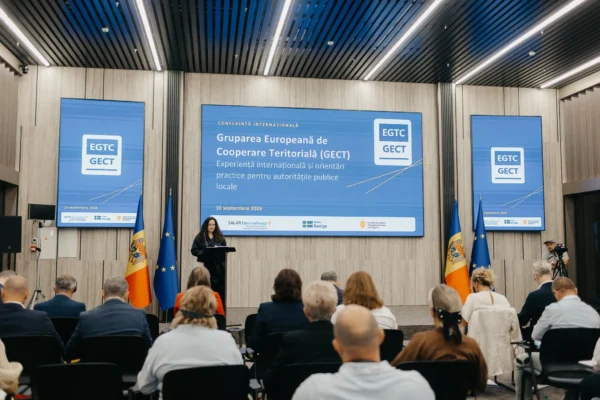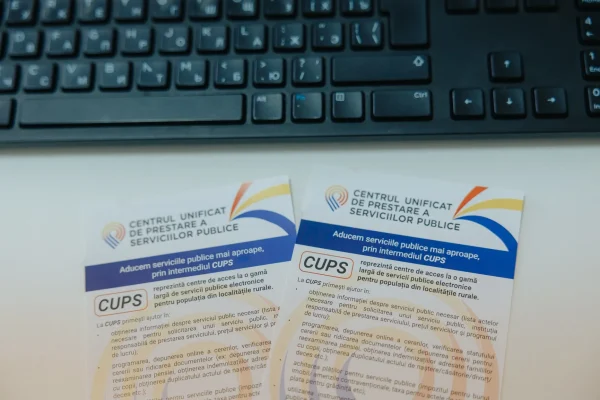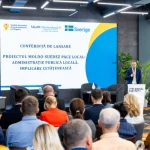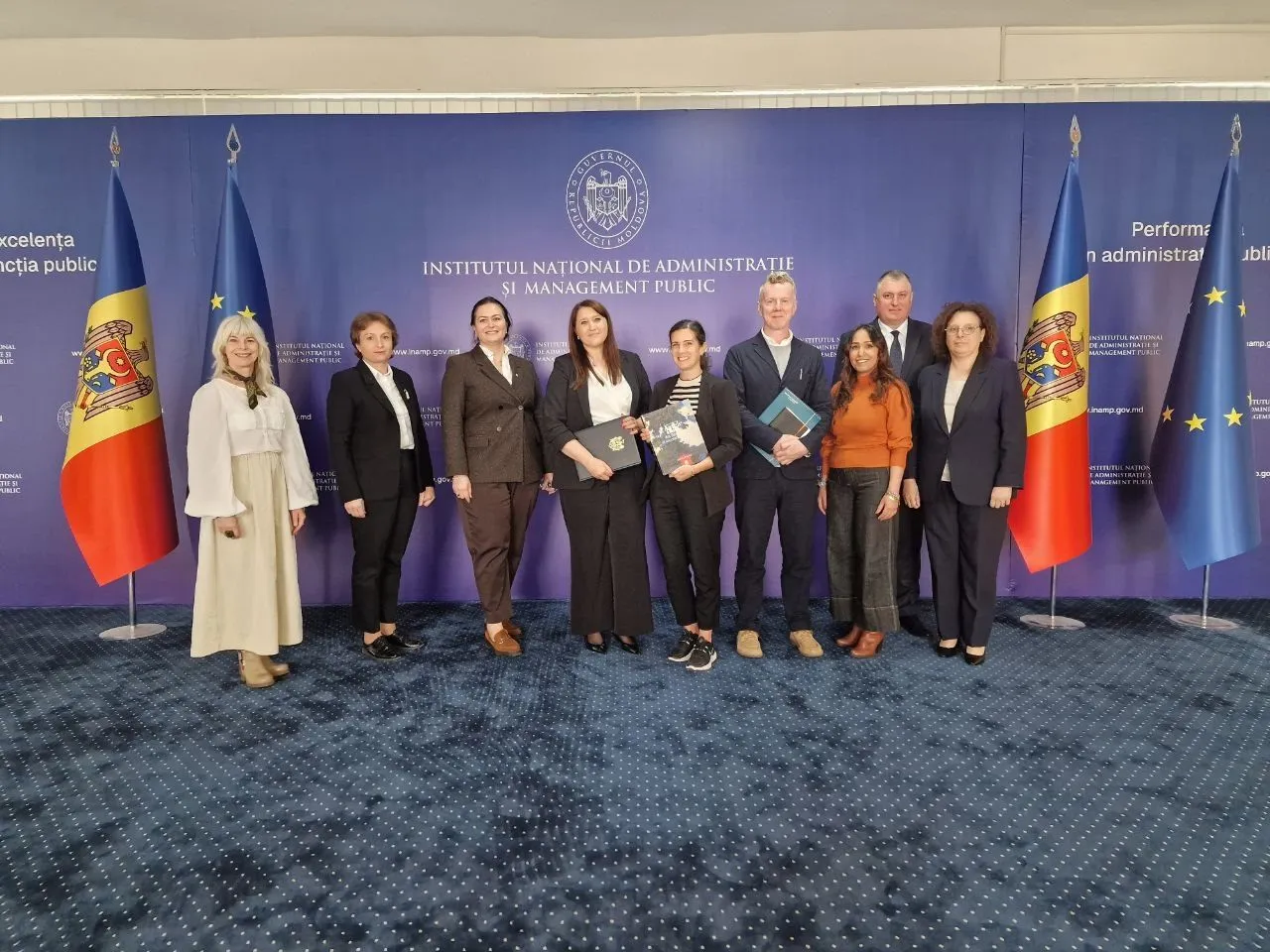
SALAR International, through the Moldovan-Swedish PACE Local project, and the National Institute for Administration and Public Management (INAMP) are joining forces to help local authorities prepare to implement community development projects. To this end, the two organisations have signed a cooperation agreement covering the period 2026–2028.
The training programmes will be tailored to the needs of local and regional authorities, and their topics will be reviewed regularly to address the challenges these authorities face in their work. The cooperation will focus on developing practical training courses to help municipal administrations design successful projects that address local challenges, attract funding and manage investments.
INAMP Director Veronica Butnaru said that the Institute continually adapts its training provision and introduces new topics of strategic importance to meet the current and emerging needs of public institutions and authorities. In doing so, the Institute contributes to the implementation of public administration reform, including at local level, and supports the public administration in preparing for the Republic of Moldova’s accession to the European Union.
At the signing of the cooperation agreement, Lucia Acosta, PACE Local Project Manager, also emphasised that the partnership comes at an opportune time, as local public administration in Moldova is undergoing a complex process of reform and implementing European requirements. “A professional, well-trained public administration that is adapted to new realities is essential for modernising communities and ensuring their alignment with European standards,” Lucia Acosta said.
One of the priorities set out in the cooperation agreement is the development of a practical course on local economic development and territorial marketing. Participants will learn to identify the competitive advantages of their localities, promote them to potential investors and develop cooperation with the business community. The course will help authorities make the most of their communities’ resources and potential to support the local economy.
Another priority is the development of a practical course on project preparation and management. It will cover the entire project cycle, from identifying needs and setting objectives to budgeting, activity planning, procurement, implementation and reporting. Participants will also learn to monitor and evaluate results and plan for their sustainability after funding ends.
These skills will help municipal teams prepare better-substantiated project proposals and manage the funding they secure. This training is particularly relevant to making use of funding opportunities associated with the European integration process.
The cooperation will also draw on Sweden’s experience in efficient local administration, with a focus on solutions that are useful in authorities’ day-to-day work. The training will also help local administrations adapt their working practices to European Union requirements.